About Walsc
Walsc is a market-leading Autoclaved Aerated Concrete (AAC) building system supplier in Australia. We provide a better wall and flooring solution to you.

Walsc is a market-leading Autoclaved Aerated Concrete (AAC) building system supplier in Australia. We provide a better wall and flooring solution to you.
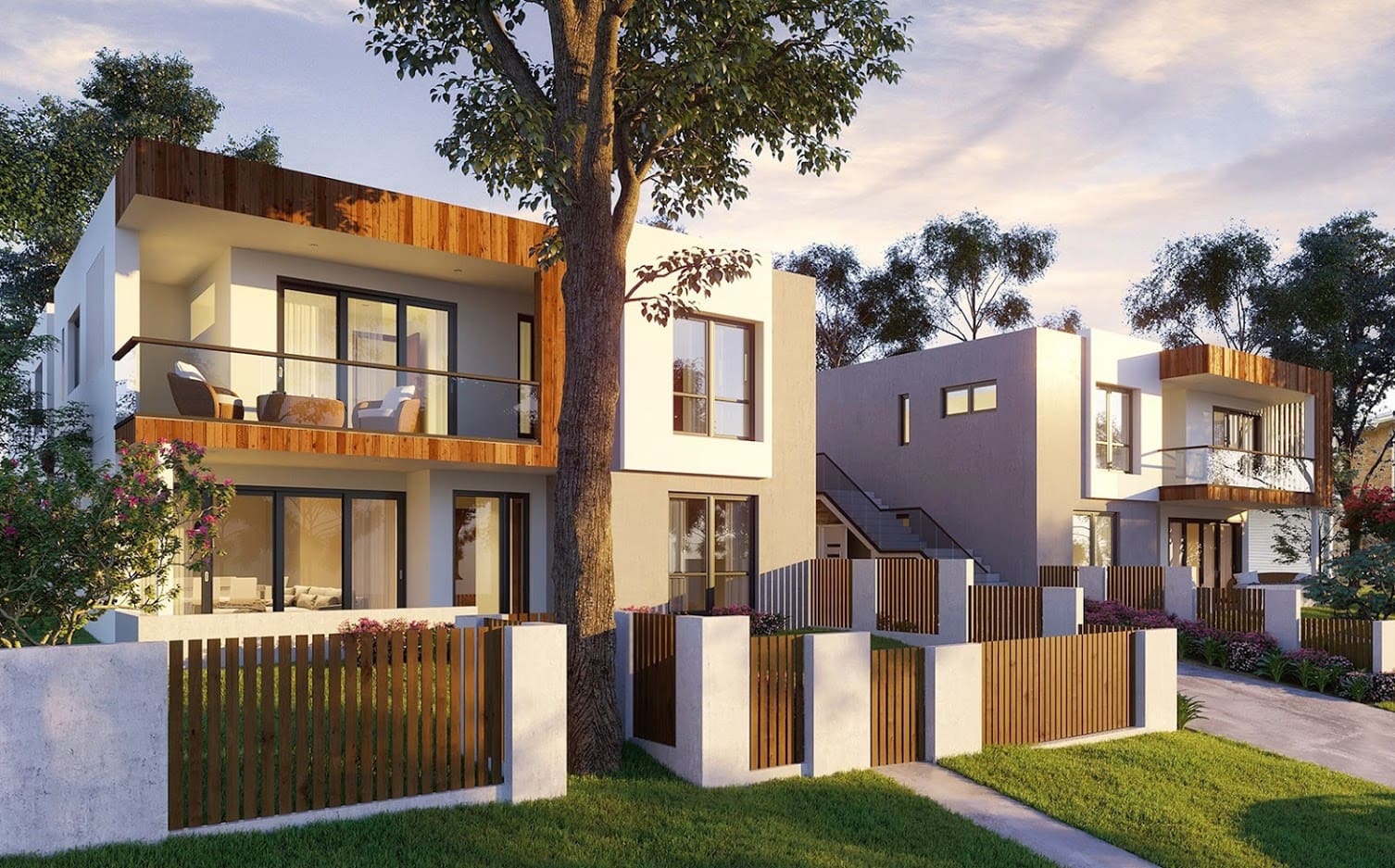
Walsc [wɔːlˌsk] was established in 2014 and has become one of Australia’s leading Autoclaved Aerated Concrete (AAC) suppliers. Over the past few years, Walsc has participated in hundreds of projects ranging from low-rise residences, aged care facilities, warehouses to high-rise apartments and commercial buildings.
Now Walsc is widely recommended by architects, certifiers, and builders because of its premium quality, comprehensive wall and flooring solutions, and strong technical support.
At Walsc, we provide better wall and flooring solutions for your project!
Walsc AAC Panel Systems are tested and assessed for compliance with the requirements of the NCC/Building Codes of Australia. We also continue to invest in system development and conduct necessary testings and assessments to deliver more quality assurance, in respect of fire resistance, non-combustibility, acoustic reduction, thermal insulation, weatherproofing, structural etc.
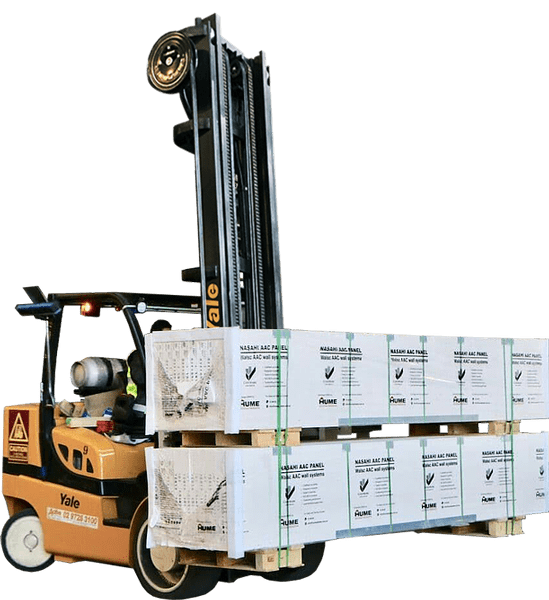
Please find our distributors across New South Wales below
25 Pike Street, Rydalmere NSW 2116
Tel 1300 957 566
Email sydney@sipo.com.au
Web www.walsc.com.au
254 Railway Pde, Cabramatta NSW 2166
Tel 02 9728 9188
Email sales@bmsydney.com
3/1 Culverston Rd, Minto NSW 2566
Tel 1300 TIMBER
Email sales@nswtimber.com.au
5-11 Gov Macquarie Dr, Chipping Norton NSW 2170
Tel 02 9131 6355
Email orders@wspmc.com.au
2B Hill Rd, Lidcombe NSW 2162
Please find our distributors across Queensland below
19 Warehouse Cct, Yatala QLD 4207
Tel 1300 957 566
Email brisbane@sipo.com.au
Web www.walsc.com.au
18 Machinery Road, Yandina QLD 4561
Tel 07 5472 9155
Email panels@rockcote.com.au
1/22 Wharf St, Murwillumbah NSW 2484
Tel (07) 5502 4300
Email admin@wgau.com.au
Please find our distributors across Victoria below
1596 Sydney Rd, Campbellfield VIC 3061
Tel 03 9390 8100
Email sales@cladcor.com.au
Please find our distributors across ACT below
Unit 4/110 Lysaght St, Mitchell ACT 2911
Tel 0452 222 280
Email admin@acecoating.com.au
Please find our distributors across South Australia below
42-56 Grand Jct Road, Kilburn SA 5084
Also available in other branches including Newton, Mt Barker, Hackham, Sheidow Park, Whyalla, Roxby Downs & Darwin.
Tel 08 8366 6666
Email sales@bianco.com.au
Walsc AAC Panel Systems are seen throughout Australia via a number of industry leaders and partners.






Explorer le catalogue de crazy time permet de comprendre pourquoi cette plateforme séduit un public toujours plus large. La plateforme organise des loteries exclusives avec des lots attractifs pour maintenir l’intérêt des joueurs fidèles. Le temps de réponse moyen du service client est remarquablement court comparé aux standards du secteur. Le chat communautaire intégré permet aux joueurs de partager leurs impressions en temps réel pendant les parties. Pour les joueurs francophones, cette plateforme reste une référence qui continue de se renforcer avec le temps.

Get in touch with us for any inquiry including project specification, technical or sales support.